Visiting Avebury stone circle – Stonehenge’s big sister
Did you know: the world’s largest stone circle isn’t the most famous one? Stonehenge is known worldwide. But just 20 miles to the north is a circle that dwarfs it: Avebury.
We visited in early September, after the rush of summer tourists. However, Avebury, like Stonehenge is a popular attraction all year round. Indeed, a low autumn mist, winter frost or carpet of spring flowers bring an extra air of magic.
If you’re wondering if Avebury is worth visiting and how the experience compares to Stonehenge, here’s our take having been to both ancient monuments in Wiltshire.
*This post contains affiliate links. If you click and buy something, I may earn some commission. This is at no extra cost to you but helps me cover the costs of running this website. See my privacy policy and disclosure policy for more information.*
Contents - jump to what you'd like to know
Why is Stonehenge more famous than Avebury?
Stonehenge’s alignment with the summer solstice and its more complex architecture, including the lintels which give it a temple-like feel, have made this pre-historic site iconic.
The fact that it is smaller and possibly up to 500 years more modern than Avebury do not work against it.
It’s purely my own theory, but I believe that because you can see the whole of Stonehenge in one view is pretty important too. It’s always easier to understand things you can fully see.
Both circles at Stonehenge and Avebury are included in the wider area’s World Heritage Site status.
Visiting Avebury vs Stonehenge
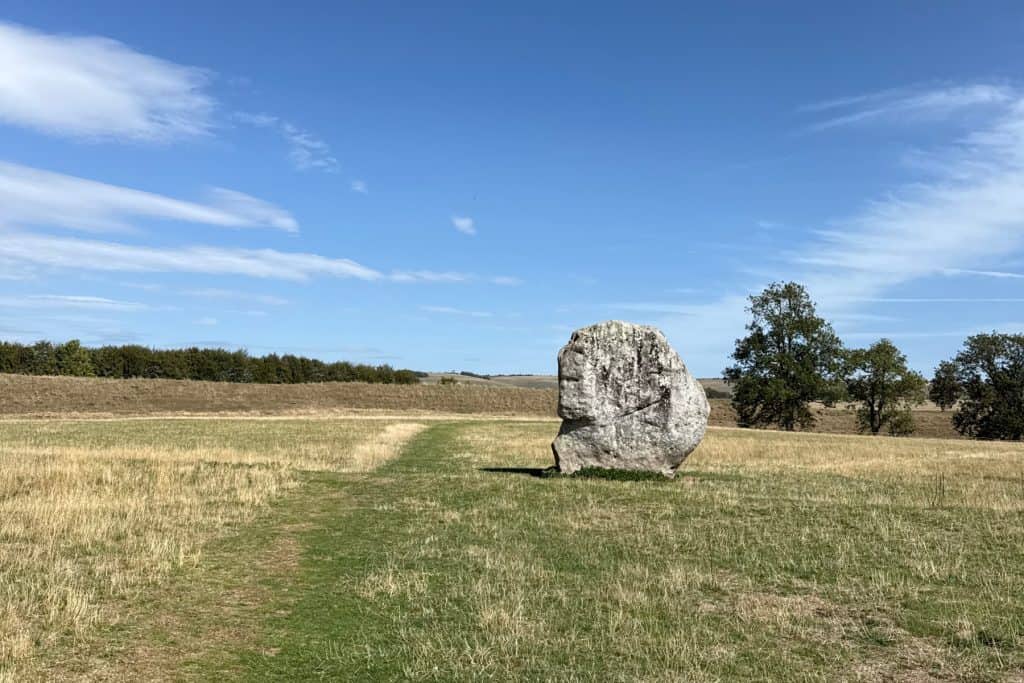
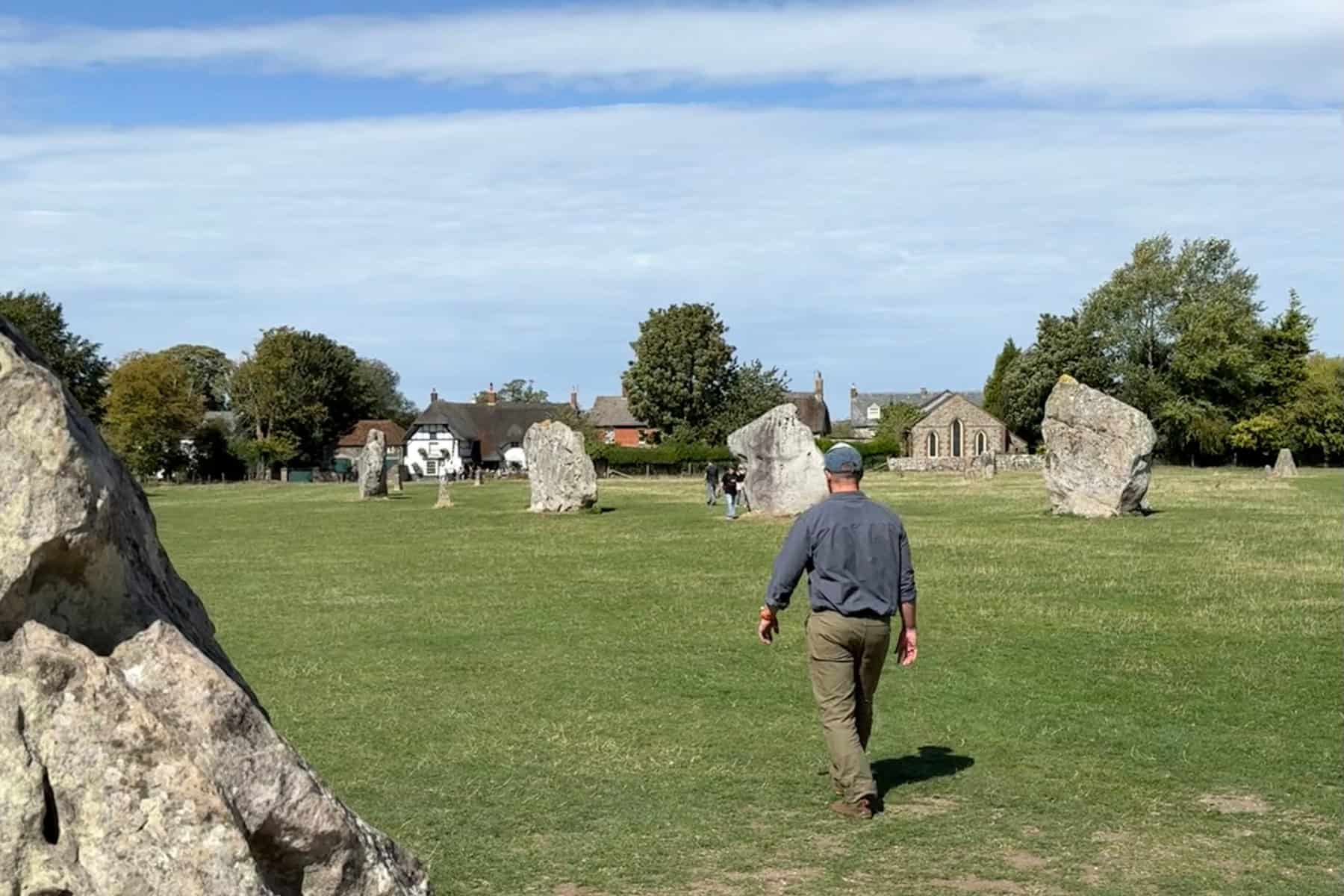
Avebury’s scale becomes clear when you drive into the village and realise the modern day residences and businesses are partially contained by these gargantuan rocks.
The Avebury circle is 430m in diameter at its widest point and is thought to have had more than 170 stones the it was built, making it the largest stone circle in the world. By comparison, Stonehenge is about 100m wide and originally had ring of 80 sarsen stones.
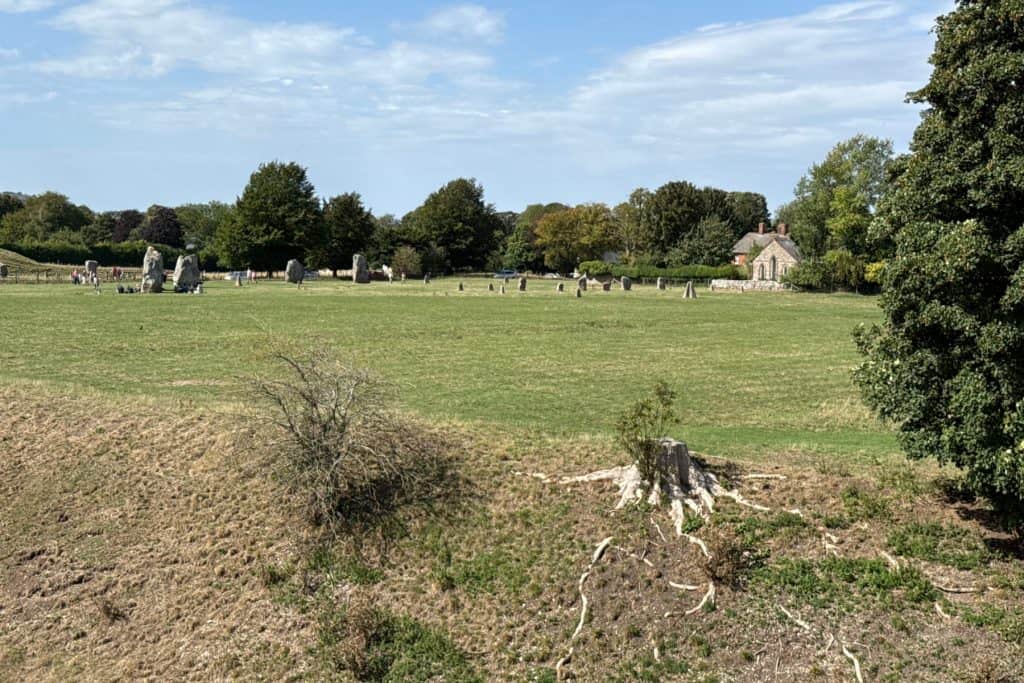
Like Stonehenge, Avebury is shrouded in mystery; facts about their construction, meaning and destruction has mostly been lost over the past 5,000 years.
Some locals even went as far as pulling down, burying and breaking up the Avebury stones to use in new buildings.
If you’re thinking that Stonehenge has fared better over the millennia you may be surprised to learn there was an airfield right next to it during the First World War. In more recent years, both sites have suffered modern day vandalising including incidents involving paint.
The vast, partially restored curves that you can see in Avebury today have been resurrected thanks to comparisons with drawings made by Devon clergyman William Stukeley, who visited in the 18th Century.
He’s a character we have come across before as his decedents still live in his ancestral home Hartland Abbey in in North Devon. We visited here a few weeks before coming to Avebury. Stukeley was a man about the Southwest and had a keen interest in Wiltshire’s stone circles.
Later, in the 20th Century, archeologist Alexander Keiller excavated Avebury’s henge and restored the circles as they stand today.
Do you have to pay to get into Avebury Stone Circle?
No. Unlike Stonehenge there’s no entrance charge. If you are travelling by car, just pay for parking in the National Trust car park. This is free for National Trust and English Heritage members.
Can you touch the stones at Avebury?
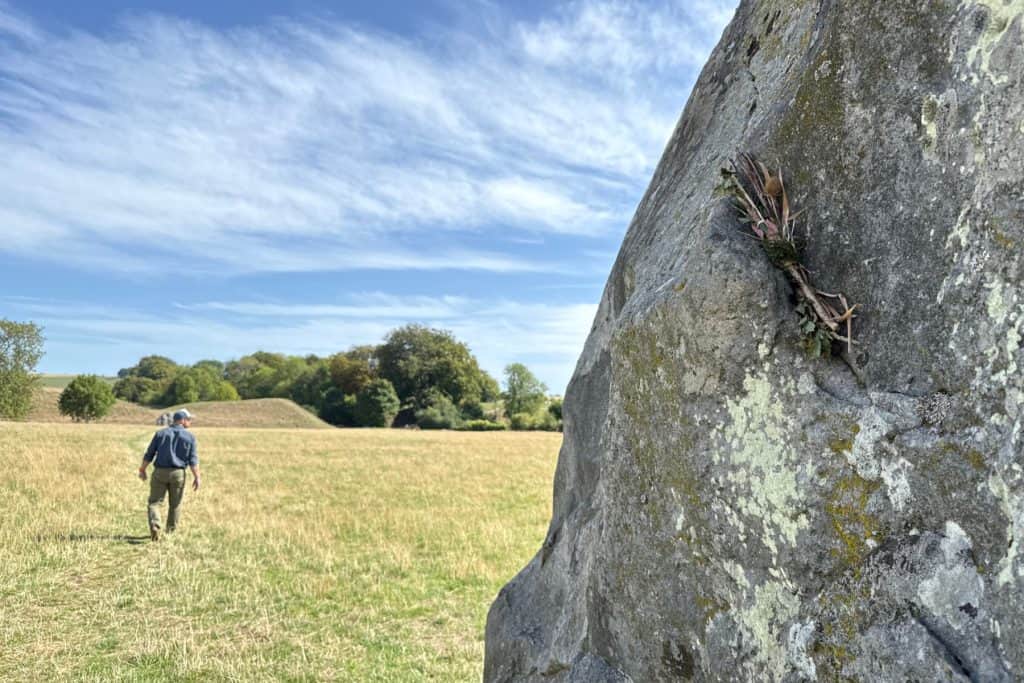
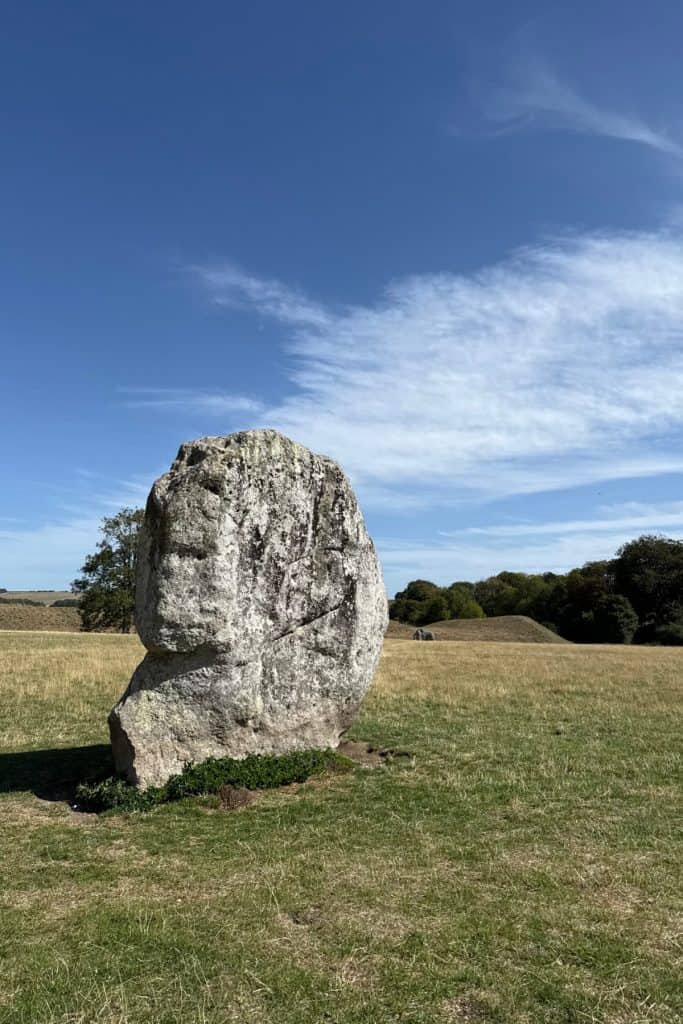
Yes. There are no barriers stopping you from getting up close and personal with the stones like there are at Stonehenge.
When we visited people were using the shadow of the larger stones for picnics. Some leave offerings, like small bunches of flowers, on the stones. We even saw a lady laying on her back, with her feet up on a stone.
Don’t be surprised to meet druids wandering through the fields, staff in hand, adding to the mystery of the place. They’re not here to entertain the tourists. They are the real deal, drawn here by the power and mystery of the place.
How long does it take to visit the Avebury Stone Circle?
You don’t need more than an hour to admire the different sections of the circle. A series of footpaths and gates guide you around the site and help to keep pedestrians separate from the traffic on the through road.
You are free to take longer if you wish and should allow more time if you find uneven ground a challenge. There are slopes and some steps down the earth banks that surround the circle.
More things to do in Avebury village
Extend your time at Avebury by exploring the village and Avebury Manor.
Avebury Manor and gardens
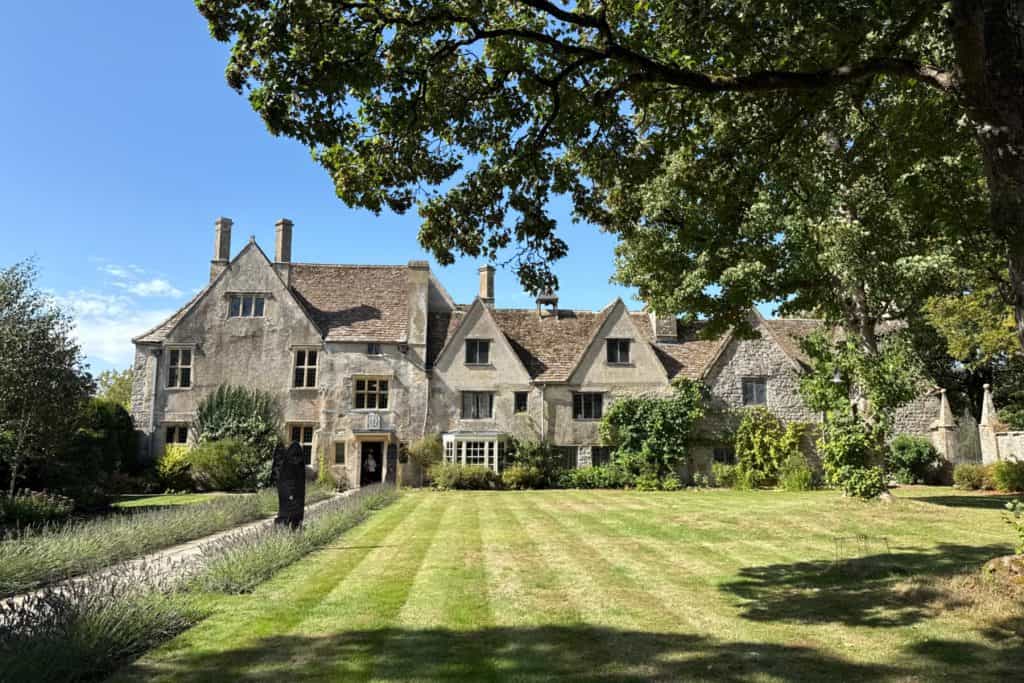
The manor house, its gardens and a small museum are all run by the National Trust, and are free for members to visit. Check prices for non-members on the National Trust website.
Inside the manor you can find out more about the people who have called it home since the 12th Century, including one of its most recent residents archeologist Alexander Keiller. He bought the house specifically because of the stones.
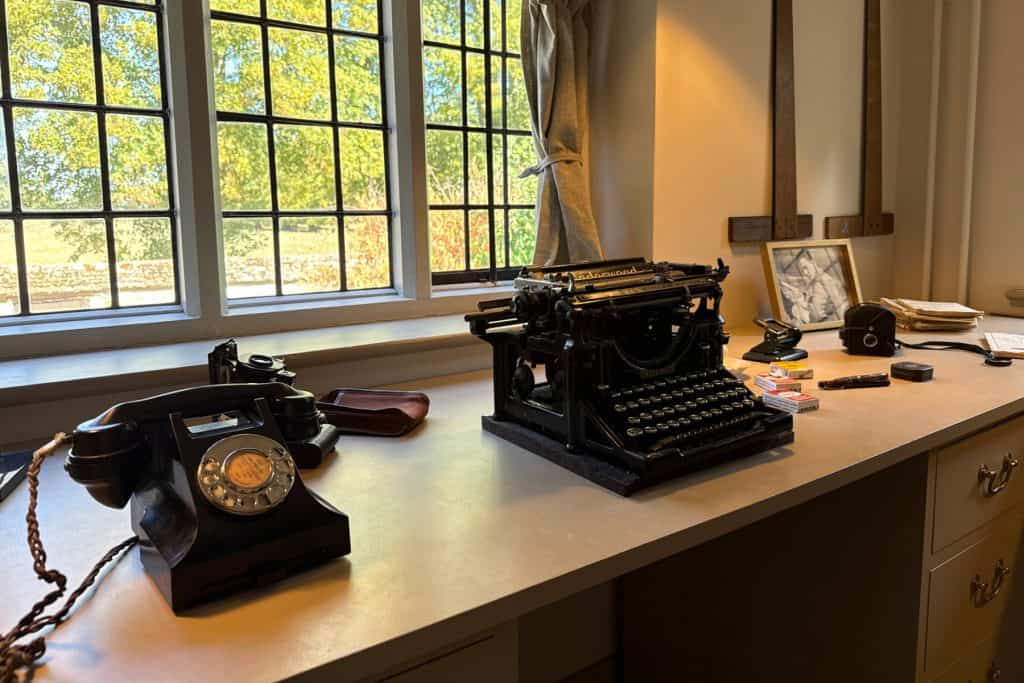
The small Alexander Keiller Museum next to the manor tells you about Avebury’s archeology and the people who lived here in Neolithic times.
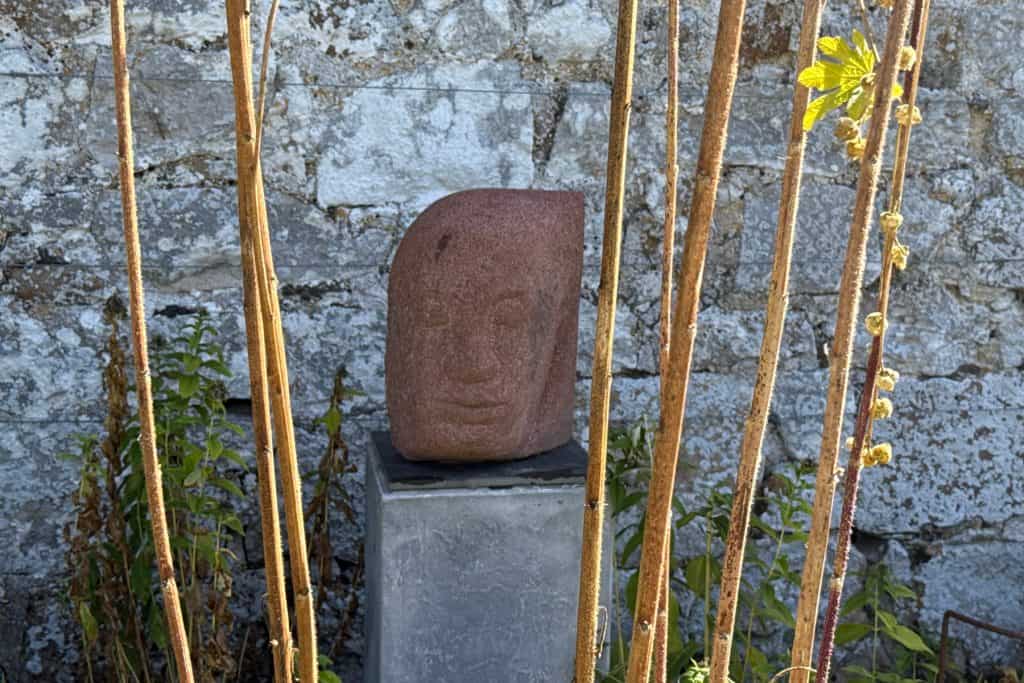
The gardens are split into formal boarders, a kitchen garden and an orchard. There’s plenty of places to rest and enjoy nature. If you visit between September and October you’ll also find an autumn sculpture exhibition among the plants. Other events happen throughout the year.
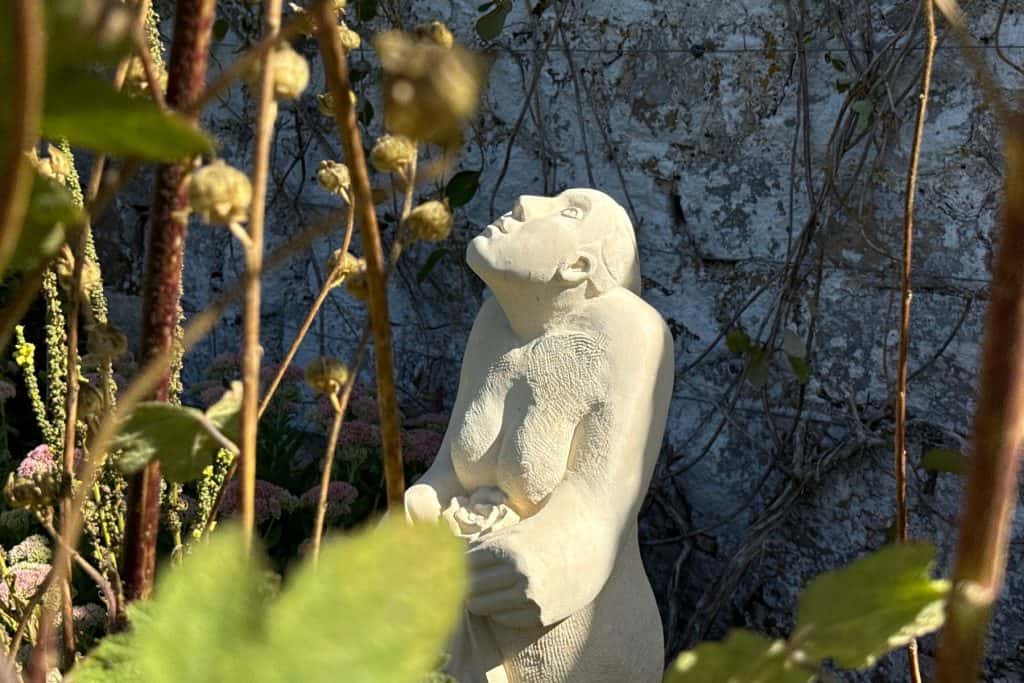
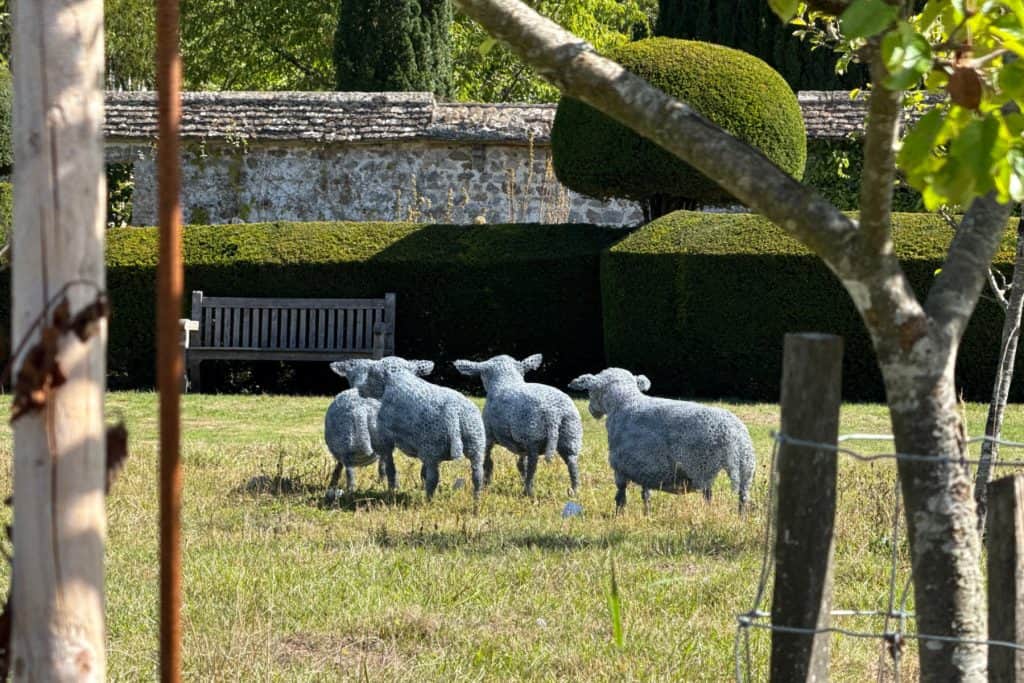
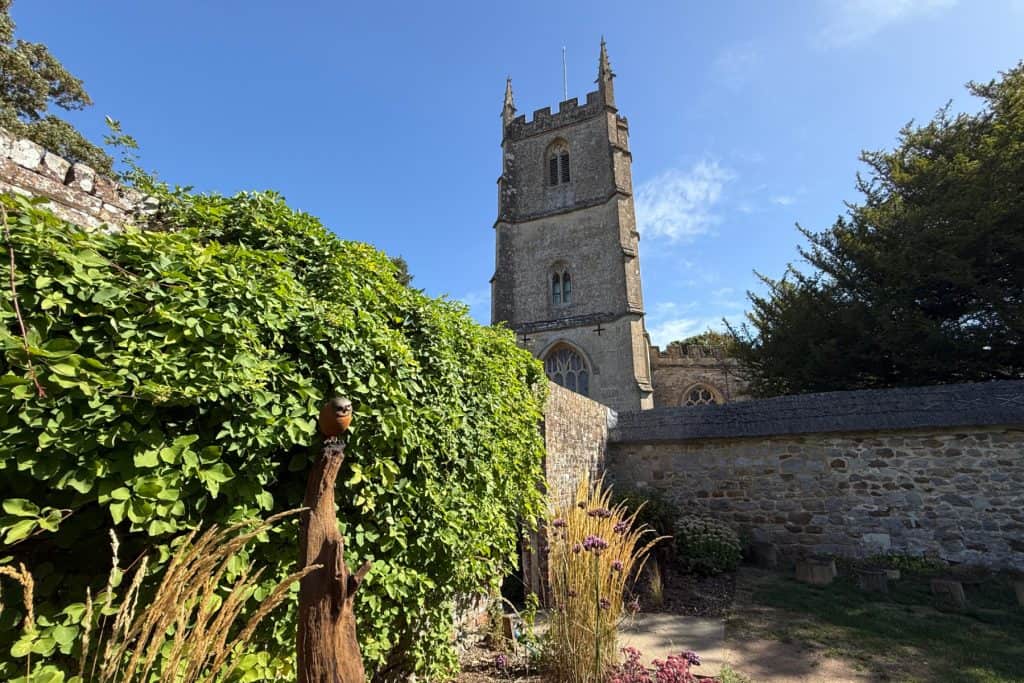
Browse the Avebury shops
The magic of Avebury’s stone circle has rubbed off on its local retailers. You’ll find shops filled with crystals, handmade pendents, candles and incense. You can even speak to a medium and, of course, pick up Avebury-themed gifts.
Places to eat
No National Trust attraction would be complete without a cafe. You can visit Circles Restaurant without paying for entry to the manor. Expect the usual National Trust fare of pasties, sandwiches and cakes.
If you would like to dine within the stone circle itself, The Red Lion offers a more substantial, traditional pub menu as well as local ales. You should pre-book, particularly on the weekends.
How to get to Avebury
By car
We visited independently by car. If you are are also driving use Google Maps to navigate to the visitor car park. Avebury is approximately 25 minutes from the M4 if you are visiting from London or Bristol, and 45 minutes from the A303 if you are combining it with Stonehenge.
Parking is free for National Trust and English Heritage members.
By train and bus
If you are planning to arrive by public transport the best train station to aim for is Swindon from where it’s a five minute walk to the bus station where you can catch the no. 49 bus to Avebury. There’s two buses and hour, Monday to Saturday and one an hour on Sundays.
Trainline is my go-to app for booking train tickets. Download the Stagecoach app for live bus updates and digital tickets.
On a tour
If you want a guided tour of Avebury there are lots of options:
- you can book a National Trust tour when you arrive – head to the visitor centre in the grand barn outside the manor
- small group guided tours with transport are also available and are a good option for visitors wanting to maximise the sites they see in a day. As well as visiting Avebury, you can see other attractions in South West England like Stonehenge, Glastonbury and the Cotswolds. Tours are available departing from Bath and London.
Find more days out in England, Wales, Scotland and Northern Ireland in my big round up of 101 UK attractions for families.
Where to stay
Got a while to soak up the magic of Avebury?
There are plenty of self-catering options in the village itself including: quintessentially English holiday cottages at The Farm; enough space to accommodate larger families and groups of friends at West Kennet House and The Old Bakehouse; and The Swallows Rest, which is ideal for couples.
Prefer a hotel? The Duke Hotel is a four star property in nearby Hilmarton and The Castle and Ball pub has rooms on Marlborough High Street.