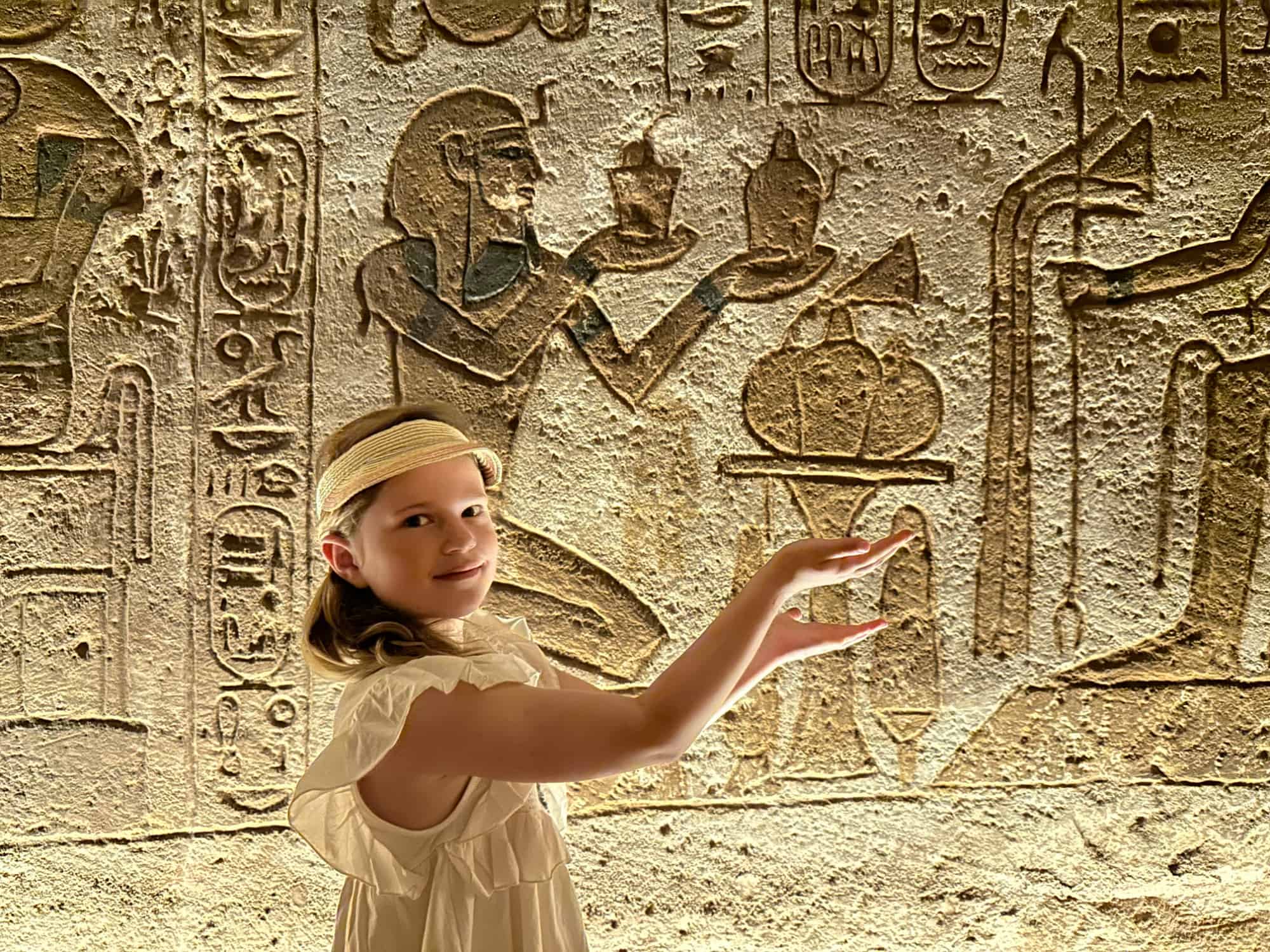
Visiting Egypt during Ramadan: what tourists need to know
Our visit to Egypt coincided with the holiest month in the Islamic calendar: Ramadan. We were super conscious that this might impact our trip as we lived in another majority Muslim country, Oman, for 2.5 years. But what does it mean for tourists visiting Egypt during Ramadan?
Briefly, we found Egypt to be much more liberal in how Ramadan rules around clothing, eating and drinking were applied for tourists. Each Muslim country has a slightly different approach, particularly if tourism plays an important role in its economy. But being aware of Ramadan and how it might impact the people facilitating your holiday is always welcomed. This is why I wanted to share our experience during our 10 day Egypt itinerary.
*This post contains affiliate links. If you click and buy something, I may earn some commission. This is at no extra cost to you but helps me cover the costs of running this website. See my privacy policy and disclosure policy for more information.*
Contents - jump to what you'd like to know
Tourism and Ramadan in Egypt
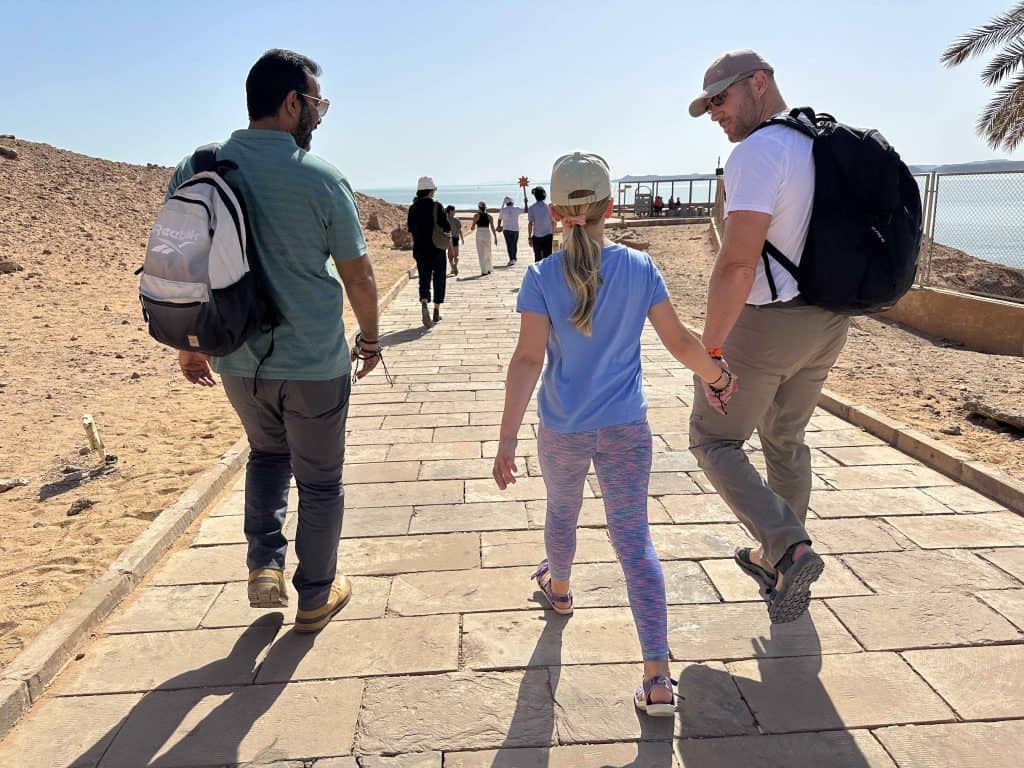
Our guide, Adel, told us that in Egypt they wanted to encourage tourists to continue visiting during Ramadan, so allowances were made for them.
In some countries, tourism is not so well developed and non-Muslims must observe the customs of Ramadan in all public spaces. Here’s what we’ve experienced in Oman during Ramadan.
So, if you visit Egypt during Ramadan, what do you need to know so you can respectfully observe its region and culture?
Here’s what we learnt:
Eating and drinking during Ramadan in Egypt
Eighty percent of cafes and restaurants in Egypt are closed during daylight hours in Ramadan.
The ones that are open are there for tourists, not locals. So we found them to be either very quiet or only serving coach tours.
All the cafes at the ancient sites, where you can buy drinks and snacks, were open.
Adel found us restaurants where we could have a meal at lunchtime. He always called ahead to check they were open. Some opened just for us.
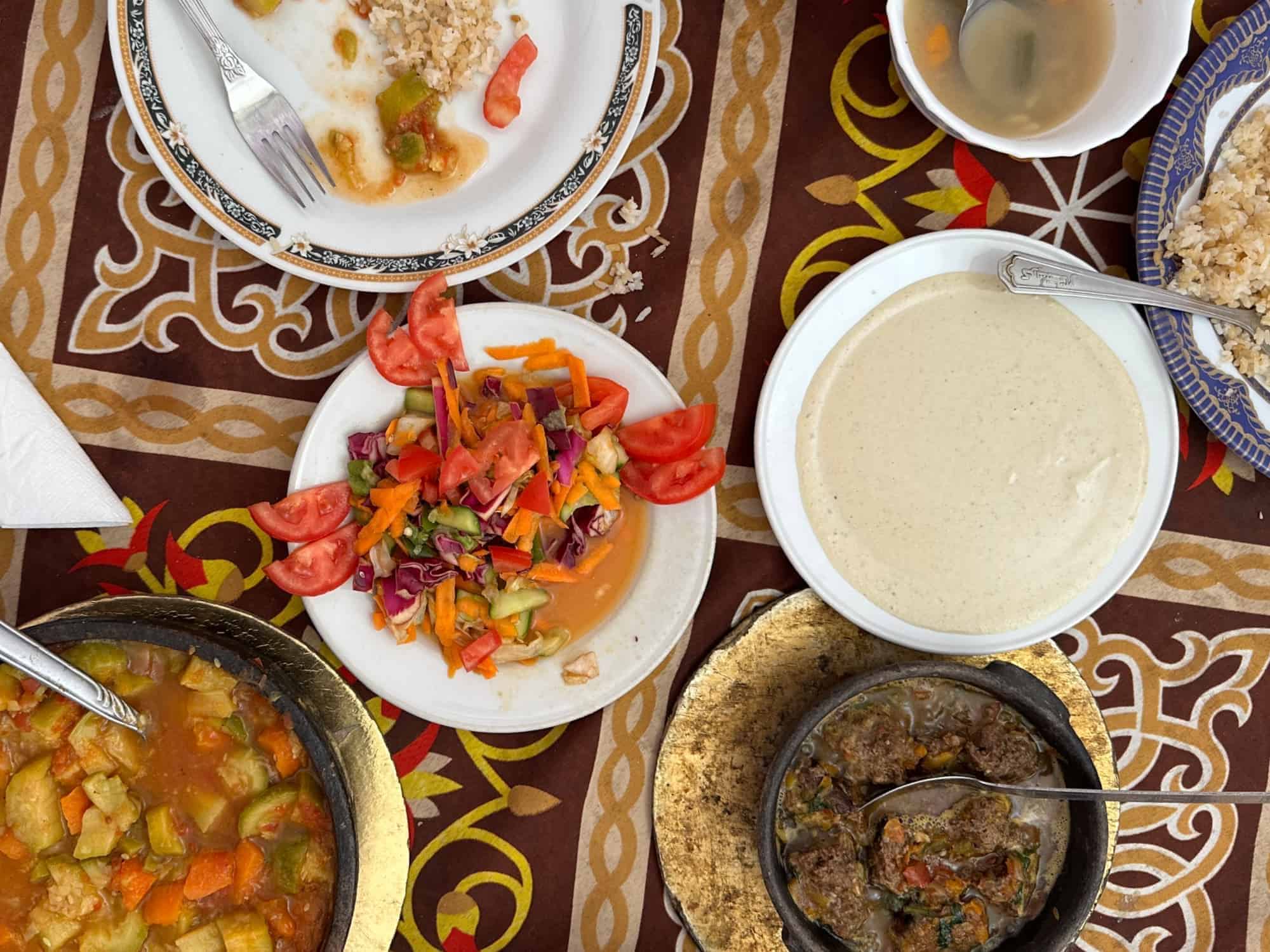
We even experienced a home-cooked meal with a family in Luxor as part of our tour. They were fasting but served up some of their Iftar (the meal that breaks their fast in the evening) early in the afternoon so we could try it. This included a delicious tagine, with salad, hummus and Orzo soup.
If you were organising your own tour during Ramadan, finding places to eat during the day could be difficult.
There was a definite difference in quality between the places we ate during the day and the places our guide was able to take us to in the evenings. Every experienced traveller knows the best food is served at the places where locals eat. But during Ramadan these places are closed during the day.
Hotels continue to serve breakfast, lunch and dinner. They and any guides you employ during your trip may also be able to recommend places to eat. Speak to them beforehand to see what’s possible.
Very few restaurants and bars, apart from the ones in hotels, will serve alcohol at all during Ramadan.
Can you eat and drink around your guide?
If you have an Egyptian guide it is very likely they and your driver will be fasting.
We were with Adel for the full 10 days of our trip and he was happy for us to eat and drink while out and about with him. This was a relief as it helped us to keep on top of our kids’ daily snack quota.
Having said this, I don’t know if every guide would be comfortable with this.
If you intend to use multiple guides and drivers I’d recommend broaching the subject of eating and drinking when you first speak to them. Are they happy for you to do this around them or would they prefer you to hold off sipping water or nibbling on a snack until a certain point in your tour?
This is a polite and will be appreciated. I suspect most professional guides won’t mind at all.
What to wear during Ramadan
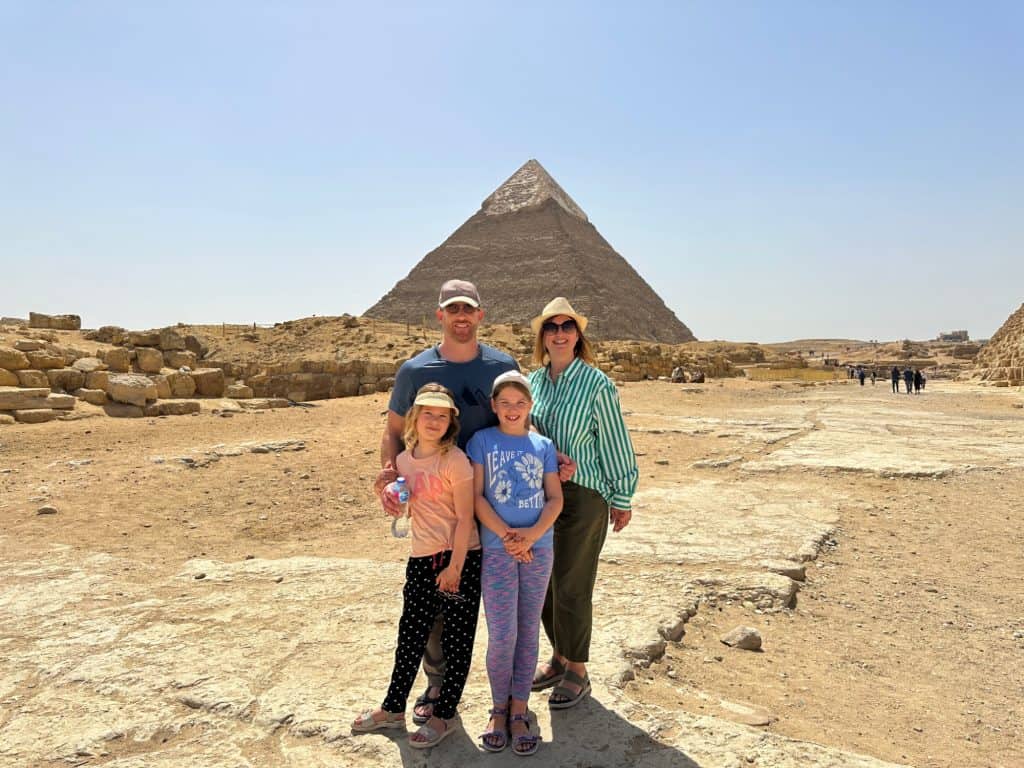
In general, it is respectful to cover your shoulders and knees while in Egypt. During Ramadan I’d go further and wear long sleeved tops and trousers when anywhere other than the tourist sites.
If you are visiting a mosque, woman should also cover their heads with a scarf.
You don’t need to be so conservative when at your hotel where western standards of clothing are acceptable at all times.
Find out more about what to wear in Egypt.
Yes, absolutely. Check out my full guide to visiting Egypt for more thoughts on safety.
All major Cairo tourist attractions are open during Ramadan and guides continue to work. The same applies to tourist sites in Luxor, Aswan and on the Red Sea. The only difference is if you want to eat at a restaurant not in a tourist or hotel complex. They will have reduced hours during Ramadan.
No, they are very much open to visitors as usual.
Compared to Oman, we found Ramadan in Egypt to be a lot less strict when it came to eating, drinking and what we could wear. There isn’t an expectation for tourists to fast during the day. Just be respectful when you do eat or drink as others around you may be fasting.
The Islamic calendar is different to the Gregorian calendar, which means the dates of Ramadan change each year. Check when Ramadan falls this year.
Final thoughts on visiting Egypt during Ramadan
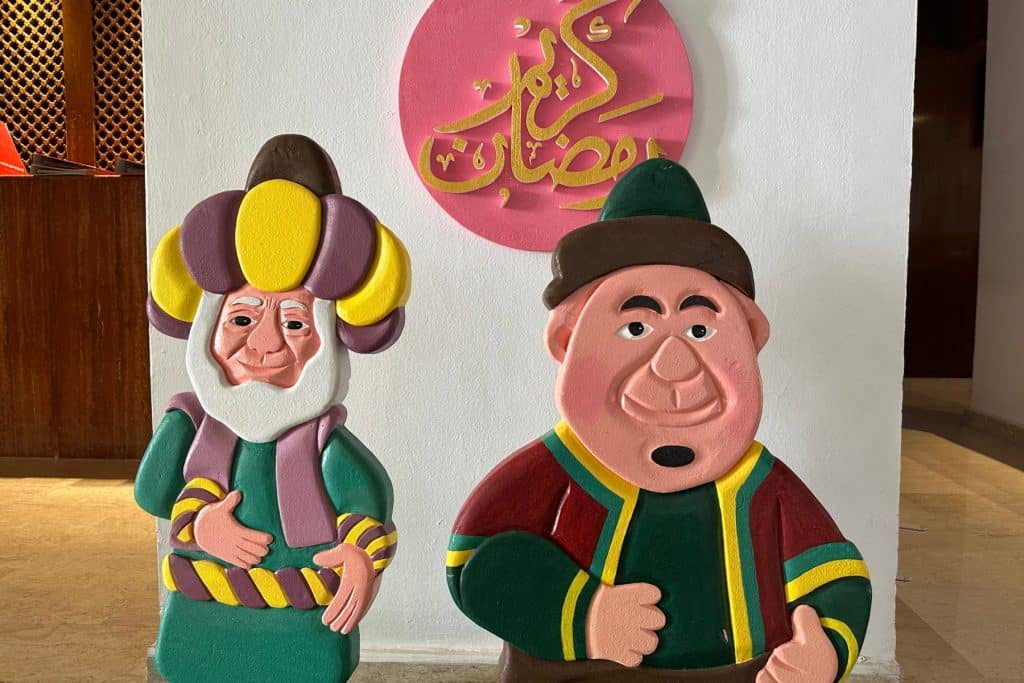
Ramadan is definitely not a reason to reschedule your holiday. Visit the Red Sea coast resorts and you’ll hardly know its happening (although there were some fun decorations in our hotel lobby).
Attractions and historic sites are open as usual, and you won’t get in to trouble for eating and drinking in these places which are designed for tourists.
The only thing to be aware of is that Egyptian tour guides and attraction staff may be fasting, so be sensitive while eating and drinking around them. Asking permission will be appreciated and is unlikely to be denied.
You might also like to read
- My full Egypt travel guide
- Our top places to visit in Egypt with kids
- 10 day Egypt itinerary
- What to wear in Egypt
- What we thought of the Cairo to Aswan sleeper train
- Our review of Mercure Hurghada on the Red Sea

Ready for help with your travels?
People often ask me to help plan their holidays. But I’m not a travel agent. Now I have the solution! Plan an unforgettable family adventure with my UK-based, ATOL-protected travel partner, Travel Four Seasons.