How a packable kayak transforms a family camping holiday on the road
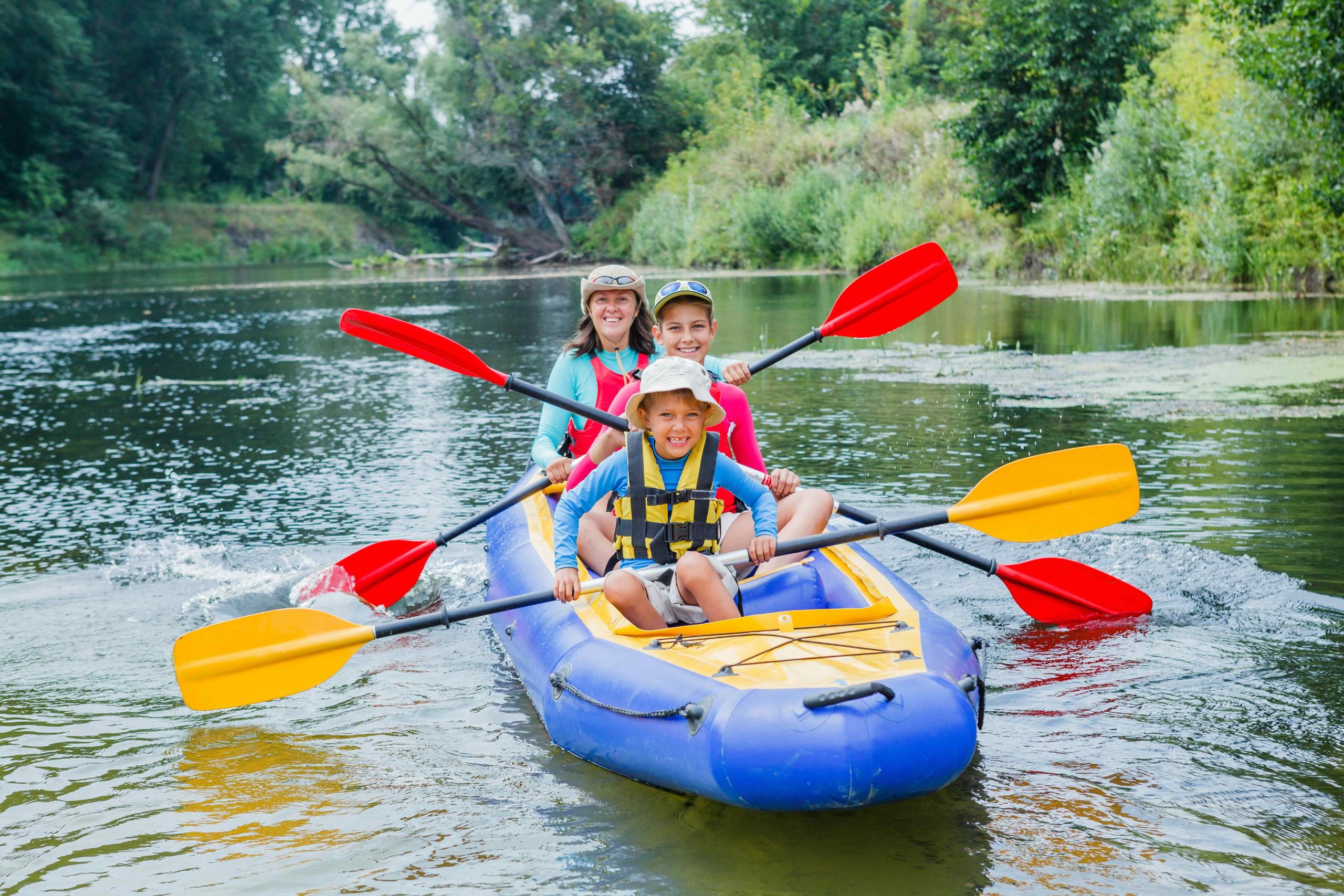
There is a certain magic in setting off on a family camping holiday with the campervan packed, the children buzzing, and the promise of open water just around the next bend. Squeezing a packable kayak into the van boot can open up corners of the Lake District, Cornwall, and the Scottish Highlands that most families have only ever admired from a lay-by. Same campervan getaway, completely different adventures.
*Advertisement feature*
Contents - jump to what you'd like to know
Why boot space is the real argument
Every camping expedition begins with the same ritual: boot Tetris. Tent, sleeping bags, the camping cooker, several pairs of wellies, and whatever the children have decided is non-negotiable this week. Roof racks sound practical until you are standing in a supermarket car park in the rain, realising the straps got left at home.
A kayak that compresses into a single holdall changes the equation entirely. It sits alongside the rest of the kit without drama, no roof rack required, no sacrificing the favourite games or the cool box. For campervan families especially, where every cubic centimetre is spoken for, that matters more than any performance specification ever could.
Where families actually paddle on a UK camping holiday
Coniston Water makes a brilliant first proper outing. Sheltered water, a gentle launch from the shore, and calm conditions that matter enormously when children are nervous. By lunchtime most are arguing over who gets the front seat. Derwentwater is a natural next step on a later Lake District trip, the islands making it feel like a proper expedition even for an eight-year-old.
Cornwall rewards patience. Paddle up the Helford River on a quiet morning and the banks are so close you can hear the birds in the oak trees above the waterline. The Fal estuary offers similar stillness further east, though the tide tables are worth checking before loading up (tidal water is a different conversation, more on that shortly).
Scottish lochs often steal the show. Loch Morlich sits inside Cairngorms National Park, ringed by Scots pines, with water cold enough to make children shriek on entry. Loch Lomond’s southern shores offer something gentler for a first-time family weekend escape, with easy parking and shallow bays that suit nervous paddlers.
The kit conversation nobody has before they leave home
Buoyancy aid sizing catches families out more than anything else. Children grow fast, and a buoyancy aid that fitted last Easter may be snug by August. It pays to check the fit on the driveway before leaving, rather than in a car park beside a Scottish loch with everyone cold and impatient.
A dry bag quickly becomes indispensable. Snacks, a spare layer each, the car key, and one small cuddly animal that shall remain nameless. Everything goes in before launch, no exceptions. Wet phones and soggy sandwiches have a way of ending a paddle prematurely.
The pump deserves a mention too. On a warm morning with cooperative children, setup runs to about ten minutes. Add wet children “helping” and that stretches considerably. Stepping up from a basic pool boat to a proper inflatable kayak designed for real water makes an immediate difference to tracking and stability, particularly on bigger lakes where a little wind can appear from nowhere.
What this kind of kayak cannot do
Honesty first: a packable kayak is not a surf boat. Tidal estuaries without prior experience are a bad idea, and open coastal water with any swell is firmly out of scope for a family with young children. Sheltered water and a properly checked forecast are the sensible limits, not just a glance at a phone.
The bag is also heavier than the product photos suggest. After a muddy weekend escape in the Lake District, carrying it back up a steep bank behind two tired children is a genuine workout. Worth knowing before choosing a launch spot with a long portage.
These are real limits, not reasons to leave it at home. They are just reasons to choose the spot carefully.
What changes when you have a boat in the van
Once a kayak becomes part of the standard family camping kit, the whole trip changes. Families stop at places they used to drive past: a quiet cove in Cornwall that looked interesting from the road, a Scottish loch glimpsed through the trees, a Derwentwater morning that starts with mist and ends with the children refusing to get out of the water.
None of those moments require a trailer, a roof rack, or a second vehicle. Just a bag, a pump, and the willingness to unpack it. For any camping adventure that takes a family near water, that combination is hard to argue with.